
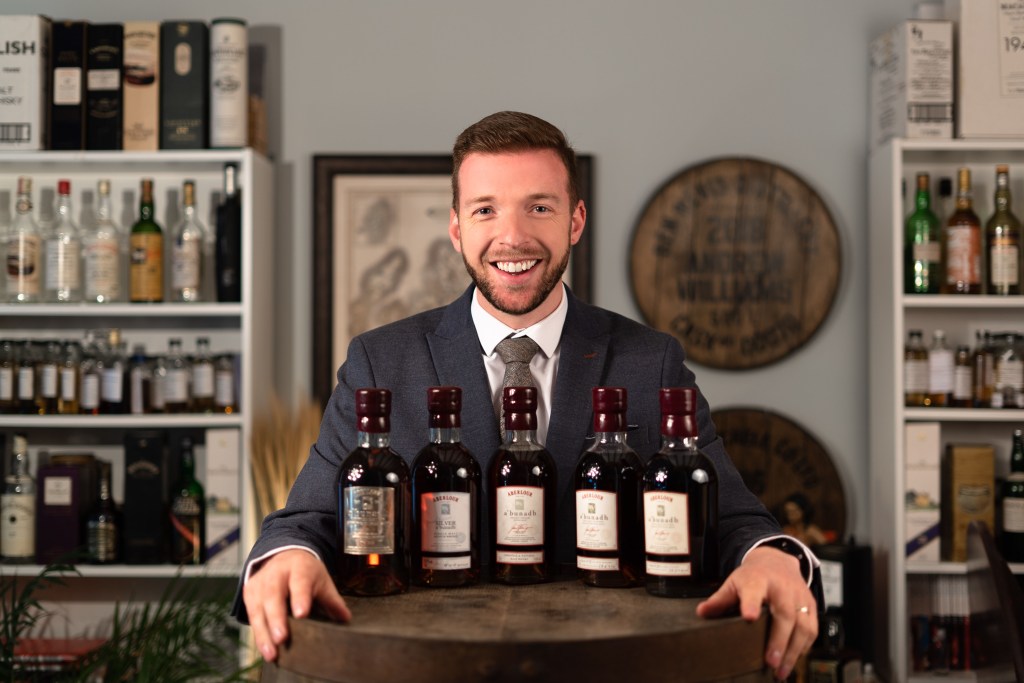
Name: Mark Littler
Company: Mark Littler Ltd / The Whiskey Wash / Protect Your Cask
Job: Whisky Broker / Whisky Writer
Website: marklittler.com
How long have you been working in the whisky industry?
I’ve been involved in the whisky industry since 2011. After leaving university in 2008, I trained as an antiques valuer and auctioneer, and in 2011 I set up a fine wine and whisky department at Tennants Auctioneers in North Yorkshire. I’ve been professionally involved in whisky ever since.
In 2016, I went self-employed and, since then, I’ve worked across several different parts of the whisky world. These days I’m a contributor to Forbes and a Spears 500 whisky advisor, as well as Editor-in-Chief of The Whiskey Wash. Alongside that, I run Mark Littler Ltd, which mainly focuses on whisky brokerage.
What has been your biggest career highlight to date?
While I enjoy negotiating sales and bringing interesting bottles and casks to market, my biggest career highlight so far has been turning around The Whiskey Wash.
I bought the site in 2023, just before it was due to be switched off. It was no longer commercially viable, and I acquired it for $15,000. It was a site I’d always enjoyed reading, so when I heard it was about to disappear, I felt I had to step in. Over the past two years, we’ve completely rebuilt and repositioned it, and it’s now the world’s most visited whisky website, ahead of long-established names like Whiskybase, Whisky Advocate and The Spirits Business.
The rebirth of The Whiskey Wash became a career highlight because keeping an independent whisky platform alive and growing matters now more than ever. Social media has very limited organic reach, and alcohol content is being restricted even further. Having a strong, central place for whisky online benefits the whole industry, not just one brand.
When you look at watches, cars or fashion, there are major digital hubs that help connect consumers, retailers and producers. Whisky doesn’t really have that in the same way — and helping to build something that fills that gap is what I’m most proud of.
Can you remember your first dram, and indeed what it was?
Absolutely — my first dram was a Glenfiddich 12 Year Old. It was what my granddad drank, and what my dad drank too, so there was always that iconic green bottle in the drinks cabinet when I was growing up.
What does whisky mean to you?
For me, whisky is all about storytelling. It can be the story of a distillery, the idea or concept behind a bottle, or the memories you make when sharing a good dram with friends. Sometimes it’s the stories people bring with them when they come to sell a bottle or a cask.
Without those narratives, whisky would just be another commodity. It’s the stories that make it special. Ask someone what their favourite dram is and, more often than not, there’s a story attached to it as well. Whisky and storytelling go hand in hand.
Where would you like to see yourself in five years’ time?
I’ve genuinely no idea where I want to be personally in five years’ time, but I do know where I’d like to see the whisky industry.
I’d like to see it run more like the fashion or watch industries, and less as though it’s being driven purely by finance departments. Those industries invest heavily in brand, storytelling and physical presence — proper points of sale and brand homes in major cities. You see Rolex or Omega boutiques on most city-centre high streets, just as you see flagship stores for fashion and beauty brands.
Yes, we have visitor centres in Scotland, but they’re hours away from where most consumers actually live. London alone attracts tens of millions of visitors every year — so why wouldn’t the industry want to capitalise on even a small part of that?
Physical presence builds brands. We all know how powerful distillery visitor centres are, so imagine if you could take even a fraction of that experience and put it in front of the millions of tourists who pass through London each year. That personal relationship with whisky wouldn’t have to start in a remote part of Scotland.
I know people will point to the Johnnie Walker Experience in Edinburgh (and it’s a great start, even if it is just one brand), but Edinburgh isn’t London. Distilleries have boutiques all over the world — in cities and even in airport terminals — yet somehow not in London (except Buffalo Trace…).
What was your last dram?
Four Roses Small Batch. Since taking over The Whiskey Wash, I’ve started exploring American whisky more, and I picked up a bottle of Four Roses Small Batch just before Christmas. It’s absolutely fantastic, and at under £40 it’s an incredible whisky.
Do you have a favourite whisky and food pairing combination?
Crisps! I’m a huge savoury person, and I genuinely think crisps and whisky go perfectly together. Bacon Fries and an Ardbeg, anyone? If you’ve never tried it, it’s absolutely fantastic.
What’s your favourite time and place to enjoy a dram?
It has to be at a distillery. Like wine, whisky always seems to taste better where it’s made. A whisky on a cold, wet day in Scotland, with the distillery around you, just feels right.
What do you think is going to be the next big thing on the whisky horizon?
I hope the answer is innovation, because it’s naïve to think that UK taxes on a drug as harmful as alcohol are ever going to be reduced. That simply isn’t politically realistic. So instead of fighting tax, why don’t we look at reducing the cost to the consumer, starting with bottle size?
Most people don’t realise that the modern 700ml whisky bottle traces its origins back to the mid-17th century, when the first glass wine bottles were made. Those early bottles typically held around 700–800ml because that was the average lung capacity of a glassblower at the time.
Over centuries, that accidental volume became industrialised and then standardised — first through moulded bottle production in the early 20th century, and later through regulatory alignment, including EU harmonisation. Why shouldn’t we be seriously looking at 500ml or even 350ml bottles as a mainstream format?
The era of low alcohol tax is over, just as the era of tobacco advertising in Formula One is over. We can either accept that reality and innovate, or we can keep pretending the past is coming back.
What’s the one dram you couldn’t live without?
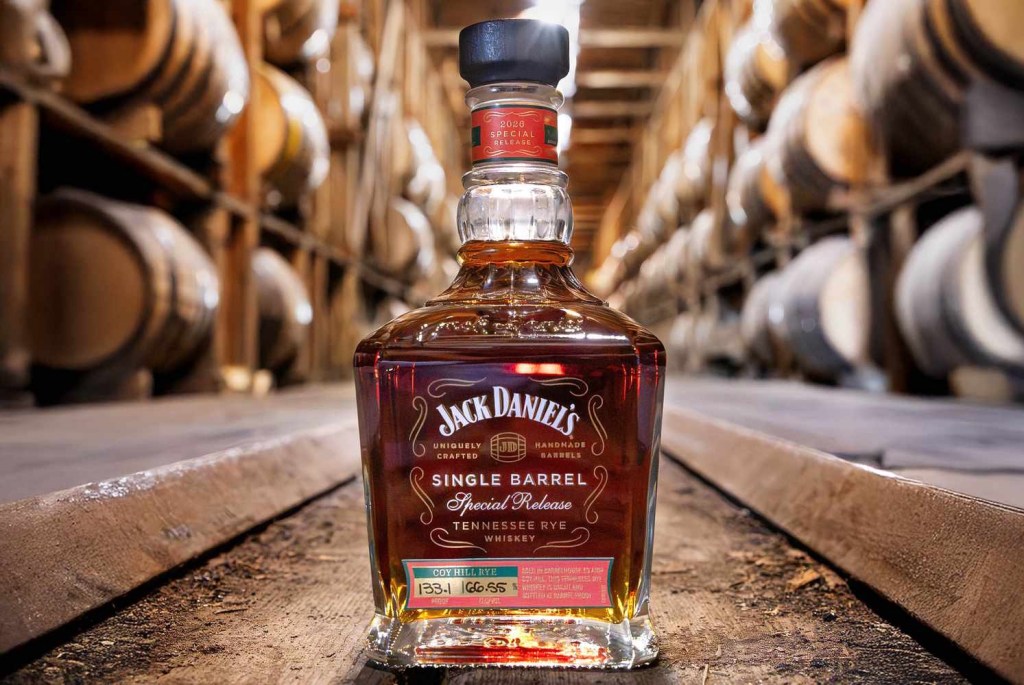
If I could only drink one whisky (or whisky from one distillery), it would be Jack Daniel’s.
Pretty much every bar in the world will serve you a Jack and Coke, and it’s one of the best-selling “cocktails” globally for a reason. But as you go deeper into the range, the quality just keeps improving. Some of the single-barrel Jack Daniel’s bottlings are genuinely sensational.
Many thanks to Mark Littler. Who will be our next Whisky Insider? Click back soon to find out!


Leave a Reply